Designing with Nature: Embracing Eco-Friendly Landscaping Practices Jun 03, 2026
Creating an eco-friendly landscape begins with careful planning and a mindful approach. Start with a design that works harmoniously with the natural elements of your site. Observe the sun's path, wind patterns, and natural water flow to use them to your advantage. This approach reduces the need for artificial irrigation or heating, helping you conserve resources and save on utility costs.
One of the key aspects of sustainable landscaping is the selection of native plants. Native plants are adapted to the local climate, which means they require less water and maintenance once established. At Blue Sky Turf, we encourage the use of indigenous species to support local wildlife, as these plants often provide food and habitat for birds, bees, and butterflies. Additionally, native plants are more resilient to pest attacks, reducing the need for chemical fertilizers and pesticides.
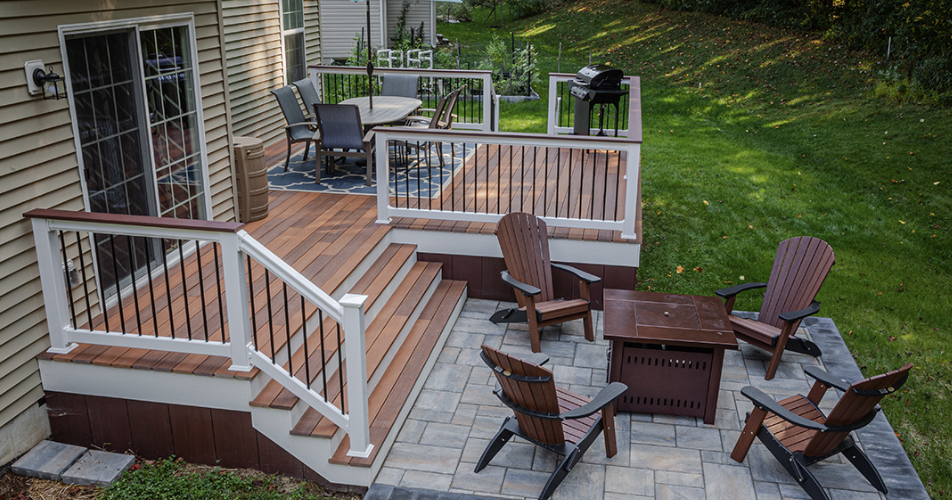
Incorporating hardscaping elements, like permeable pavers, is another effective way to manage water runoff and reduce soil erosion. Permeable surfaces allow rainwater to seep into the ground, replenishing the local water table and mitigating flooding. This sustainable alternative can be both functional and stylish, enhancing the beauty of your landscape while promoting environmental health.
Composting is a simple yet impactful practice that can transform your garden waste into a valuable resource. By turning kitchen and yard waste into nutrient-rich compost, you can improve soil quality and reduce the need for chemical fertilizers. Not only does this promote healthier plant growth, but it also decreases the amount of waste sent to landfills. Blue Sky Turf recommends starting a compost pile or using a compost bin that suits your space and needs.
Water conservation is another critical component of eco-friendly landscaping. Implementing a rainwater harvesting system can significantly reduce your dependence on municipal water supplies. Collecting rainwater from rooftops and directing it to storage tanks provides an eco-efficient irrigation source during dry spells. Moreover, installing drip irrigation systems ensures water is delivered directly to plant roots, minimizing evaporation and runoff.
When designing eco-friendly landscapes, it’s also crucial to consider the materials used. Opt for sustainable and recycled materials for pathways, patios, or garden furniture. Materials like reclaimed wood, recycled concrete, or stone can enhance the natural beauty of your landscape while reducing the environmental impact associated with manufacturing new products.
In conclusion, designing with nature in mind not only contributes to a healthier planet but also creates a space that is both beautiful and functional. At Blue Sky Turf, we are committed to helping you implement eco-friendly landscaping practices that align with your values and enhance your outdoor living space. By choosing sustainable solutions, you contribute to a greener future and create a lasting positive impact on your community and environment. Reach out to us today to start designing your eco-friendly landscape and take a step towards a sustainable future.
/filters:no_upscale()/filters:format(webp)/media/4b75ec89-ea5c-4420-a7cb-760ce38fbc9d.jpeg)