Discover the Art of Sustainable Landscaping Techniques Mar 19, 2026
To start, consider the plants you choose for your landscape. Native plants are your best friends when it comes to sustainable landscaping. They are well-adapted to the local climate and soil conditions, requiring less water and maintenance while providing a habitat for local wildlife. By selecting native species for your garden, you can craft an oasis that flourishes naturally, with minimal intervention.
Another essential technique involves efficient water management. Integrating a drip irrigation system is smart for distributing water directly to the plant roots, minimizing waste. Additionally, consider incorporating rain gardens. These are strategically placed gardens designed to capture and filter rainwater runoff from roofs, driveways, and other hard surfaces, reducing soil erosion and water pollution.
Mulching is often overlooked but invaluable in sustainable landscaping. It helps retain soil moisture, suppress weeds, and enhance soil quality as it decomposes. Choose organic mulch such as wood chips or shredded leaves, which not only prevents water evaporation but also provides nutrients to the soil, benefiting plant health.
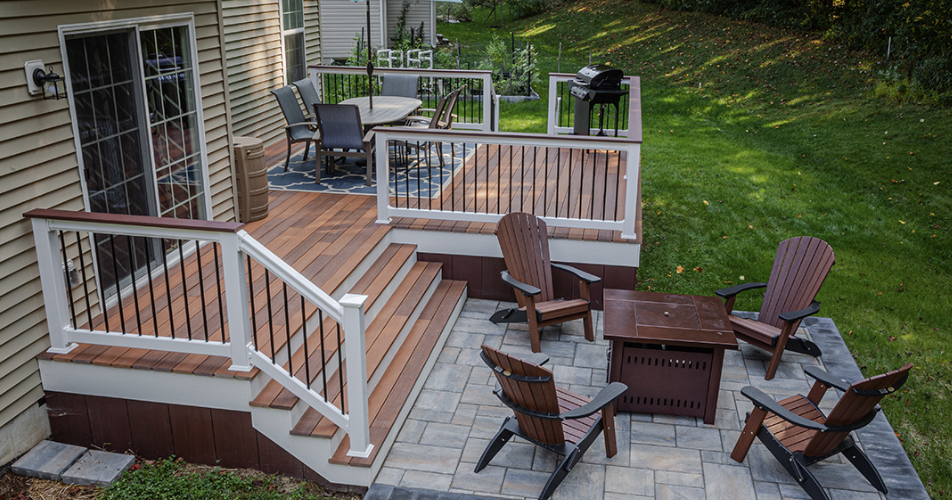
Hardscaping can also be sustainable. Opt for permeable materials such as gravel, stones, or permeable pavers for walkways and patios. These materials allow rainwater to seep into the ground rather than runoff, reducing the risk of flooding and encouraging groundwater recharge. Sustainable hardscaping enhances the appearance of your landscape while supporting an eco-friendly environment.
Incorporating compost into your gardening routine is another method to boost sustainability. Compost enriches the soil, promotes healthy plant growth, and reduces the need for chemical fertilizers. It is an excellent way to recycle household waste, turning kitchen scraps and yard waste into a nutrient-rich soil amendment.
As you design your landscape, think about reducing lawn size. Lawns often require excessive water and chemicals to maintain. Smaller, strategically placed patches of grass can be more sustainable. Replace large lawn areas with ground covers, wildflower meadows, or vegetable gardens. This not only enhances biodiversity but also reduces maintenance time and resources.
Lastly, sustainable landscaping is about preserving and enhancing local ecosystems. Incorporate features that attract pollinators, like butterflies, birds, and bees. Installing birdhouses, bee hotels, and planting a variety of flowering plants can support these vital species, promoting a healthy and balanced environment.
At Blue Sky Turf, our mission is to guide you toward creating sustainable outdoor spaces that not only benefit the environment but also enhance the beauty and functionality of your property. By implementing these techniques, you contribute to a more sustainable future while enjoying a landscape that is both beautiful and environmentally responsible.
In conclusion, sustainable landscaping is an art that balances the needs of the environment with the desires of homeowners. With thoughtful planning and execution, the landscape can become a sanctuary for people and wildlife alike. If you’re ready to transform your outdoor space into a sustainable masterpiece, the experts at Blue Sky Turf are here to help every step of the way. Reach out to us to explore more sustainable landscaping solutions tailored to your taste and needs.
/filters:no_upscale()/filters:format(webp)/media/4b75ec89-ea5c-4420-a7cb-760ce38fbc9d.jpeg)