Sustainable Landscaping: How to Create Eco-Conscious Outdoor Spaces Sep 21, 2026
To begin with, sustainable landscaping focuses on conserving water, reducing waste, and creating habitats that benefit local ecosystems. The primary goal is to minimize the negative impact on the environment while maintaining an aesthetically pleasing garden. One of the basic principles of this approach is the use of native plants. These plants are typically well-suited to the local climate and soil conditions, requiring less water and maintenance. Moreover, they provide food and shelter for local wildlife, supporting biodiversity. When selecting plants, consider those that are drought-resistant, as they will reduce the strain on water resources during dry periods.
Mulching is another sustainable practice that significantly contributes to soil health. By adding a layer of organic mulch around plants, you can help retain moisture, suppress weeds, and improve soil quality as the mulch breaks down. It is a simple yet effective way to reduce your garden's water needs and enhance plant growth.
Efficient irrigation systems can also play a crucial role in sustainable landscaping. Drip irrigation systems, for example, deliver water directly to the roots of plants, reducing water waste and promoting healthier plant growth. Consider installing rain barrels to collect rainwater, which can be used during dry spells, further reducing dependence on municipal water supplies.
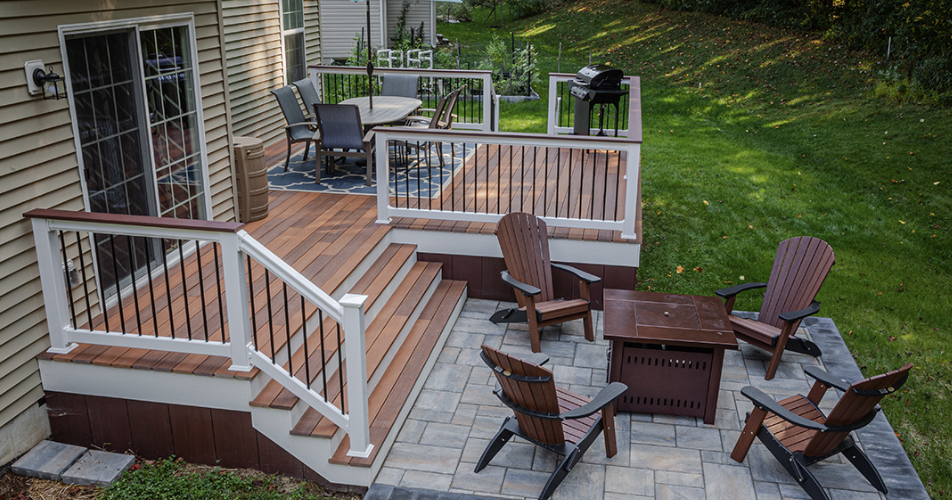
Incorporating hardscaping elements made from sustainable materials is another aspect to consider. Using permeable paving, recycled concrete, or natural stone can help create beautiful paths and patios while minimizing environmental impact. Permeable paving, in particular, allows water to seep into the ground, recharging groundwater supplies and reducing runoff.
Another important aspect of eco-conscious landscaping is reducing chemical use. Opting for natural fertilizers and pest control methods can protect beneficial insects and maintain soil health. Companion planting, which involves growing certain plants together to naturally repel pests, can be an effective strategy in reducing the need for chemical pesticides.
Composting is a fantastic way to recycle garden and kitchen waste back into your landscape. By turning organic waste into nutrient-rich compost, you can enhance soil structure, promote microbial activity, and reduce the need for chemical fertilizers.
Finally, the design of your landscape should promote energy efficiency and sustainability. Positioning trees and shrubs strategically can provide natural shading and windbreaks, reducing heating and cooling costs for your home. Incorporate elements such as solar lighting to reduce electricity usage, ensuring your garden is not only beautiful but also mindful of energy consumption.
As sustainability continues to shape the future of landscaping, Blue Sky Turf is here to guide you in creating outdoor spaces that are as sustainable as they are stunning. By embracing these practices, you not only enhance the beauty of your surroundings but also contribute positively to the environment. Start your journey towards eco-conscious landscaping today and enjoy an outdoor space that thrives naturally while reducing your ecological footprint.
/filters:no_upscale()/filters:format(webp)/media/4b75ec89-ea5c-4420-a7cb-760ce38fbc9d.jpeg)